Table Of Content
- Vintage Glamour and a View to the World Highlight This Home's Design, by Mangesh Lungare
- About Modern Architecture
- Victorian Gothic architecture
- ARCHITECTURAL FIRMS
- Modern Furniture: How To Redefine Your Living Space
- Most influential architects
- Inside the majestic grandeur of Mumbai’s newly restored Opera House
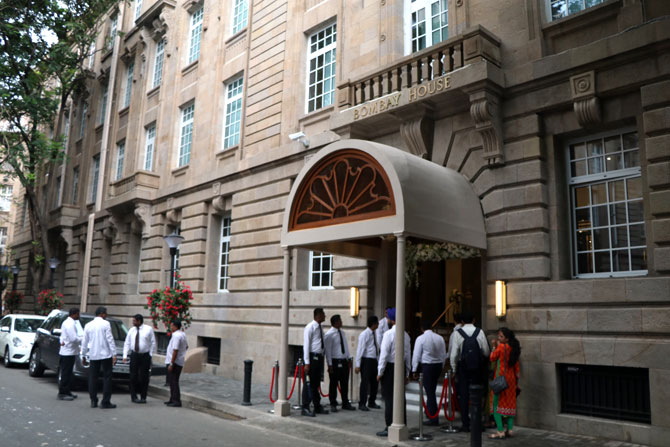
Thus if we explore the city layout, workers’ housing, railroad charts during the period of industrialization and Victorian Era in London, we shall find it very similar to that of colonial Bombay. After all, Bombay, as a British colony, is the younger architectural sibling of Victorian London. At the core of modernist architecture lies a commitment to innovation and experimentation. Architects in Bombay leverage cutting-edge design principles to create structures that push the boundaries of conventional aesthetics.
Vintage Glamour and a View to the World Highlight This Home's Design, by Mangesh Lungare
Nestled amidst the bustling streets of Bombay lies a hidden gem of architectural beauty — the Modernist Houses. These residences stand as a testament to the innovative vision and timeless elegance of modernist architecture. Characterized by clean lines, open spaces, and a harmonious integration with nature, these homes offer a sanctuary of serenity in the heart of the city.
About Modern Architecture
5 facts about Antilia, Mukesh Ambani's $2 billion Mumbai mansion - Architectural Digest India
5 facts about Antilia, Mukesh Ambani's $2 billion Mumbai mansion.
Posted: Tue, 09 Mar 2021 08:00:00 GMT [source]
The ocean-facing living area features a double-sided fireplace, a wet bar and picturesque views through expansive black-clad windows and sliding doors, which were added by the owner, Monus said. The adjacent dining room flows into a covered outdoor lounge that’s enclosed in glass on three sides—both agents said this space has resonated the most with those who have seen the house. It overlooks a spacious patio with a seating area and an in-ground hot tub as well as a grassy path toward the ocean.
Victorian Gothic architecture
The double-height living space in the A.Quincy Jones-designed house at 1100 Paso Alto Road. Art deco's linear symmetry was a distinct departure from the flowing asymmetrical organic curves of its predecessor style art nouveau. Art Deco is an eclectic style and designers drew inspiration from many sources. Artifacts from Ancient Egypt and Greece, Meso-America, Africa, Japan and China that had all been influential. Cubism, Orphism, Futurism and Constructivism provided an abstract, geometric language that was quickly assimilated into the Deco style and the high styles of European tradition continued to provide inspiration. Skyscrapers such as the Chrysler Building became icons of the new style, while jazz became the music of the city.
ARCHITECTURAL FIRMS
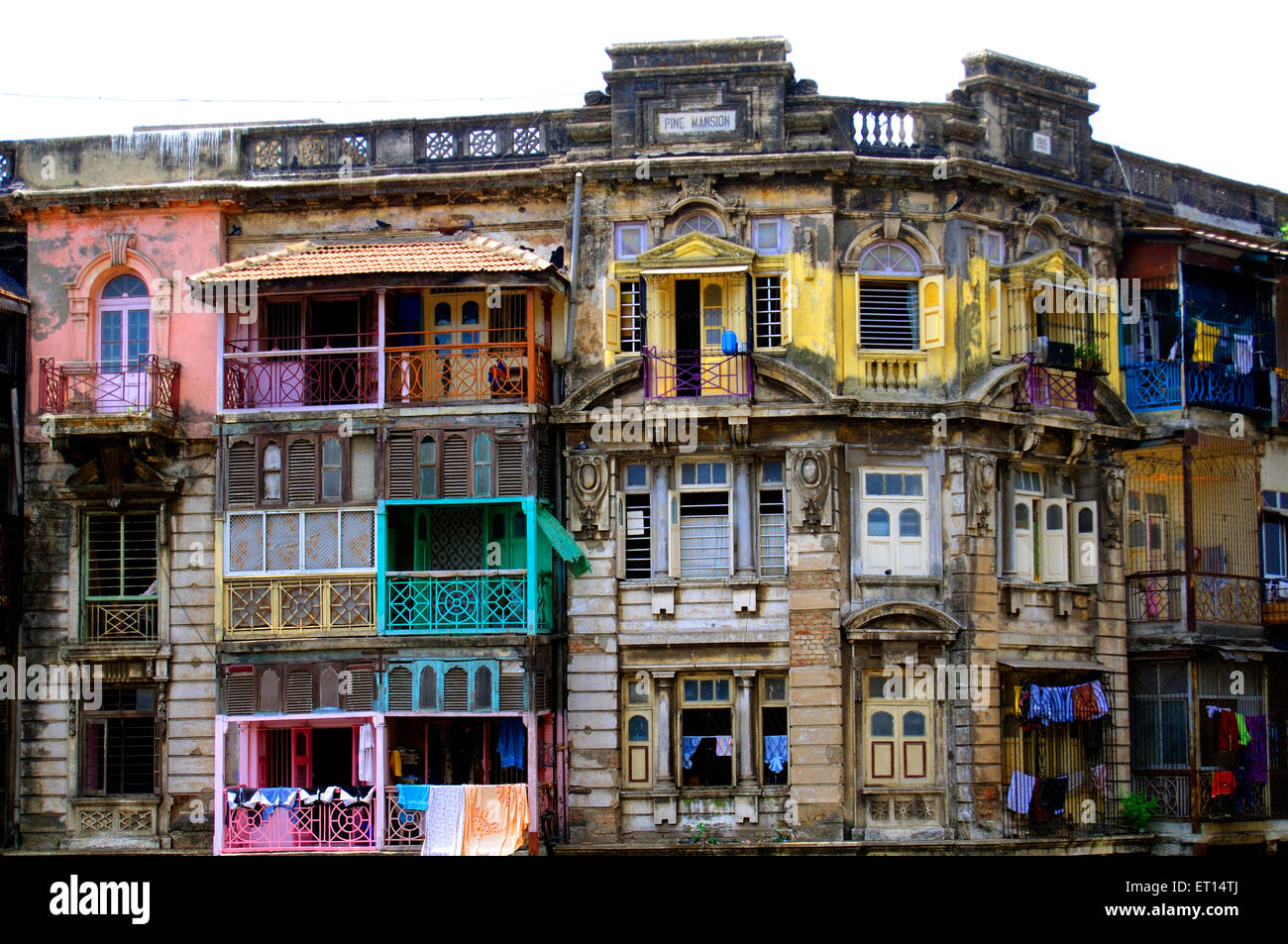
From adaptive reuse as cultural centers and boutique hotels to sustainable renovations that prioritize energy efficiency. Modernist architecture has always captivated individuals with its sleek lines, innovative designs, and avant-garde approach. In the bustling metropolis of Bombay, the fusion of modernist principles with the city’s vibrant culture and rich history creates a unique architectural landscape that continues to inspire and intrigue. In this comprehensive guide, we delve into the allure of modernist houses in Bombay, offering insights into their design elements, historical significance, and enduring appeal. In a city teeming with history and innovation, Modernist Houses in Bombay serve as beacons of contemporary design and timeless elegance. From their sleek facades to their serene interiors, these architectural marvels embody the spirit of modernity while paying homage to the city’s rich cultural heritage.
Modern Furniture: How To Redefine Your Living Space
She hopes to find her place in the world of design through her words and illustrations. Darshan apartments set a new trend for apartment design in Bombay, with many other complexes mimicking similar design concepts in the following years. Mumbai was one of the fast-developing cities post-independence, and its architecture majorly reflected the modern approach. Mumbai, along with Delhi and Baroda, became one of the first centers for Architectural studies in the country and sparked the evolution of modern Indian architecture. August 15th marks our freedom from British rule—since India became an independent nation, raw and problematic but brimming with new opportunities and expectations.
Most influential architects
While the architects’ earliest projects demonstrated an opportunity and desire for architectural innovation, this approach became increasingly restricted as new patterns for housing provision emerged, resulting in a more subdued and hybrid form of modernist architecture. The paper further highlights the need to investigate the processes of architectural production, in addition to the built product itself, so that a pluralistic rather than romanticized understanding of architectural practice may emerge. Modernist houses in Bombay boast several distinctive features that set them apart from traditional architectural styles.
Dharavi: Inside one of the biggest slums in India
This art-filled home in Mumbai's Altamount road is a study in taste and elegance - Architectural Digest India
This art-filled home in Mumbai's Altamount road is a study in taste and elegance.
Posted: Sun, 03 Mar 2024 08:00:00 GMT [source]
An inscription on the building states that it was designed by Major John Hopkins of Bombay Engineers. 1932First all-Indian led architectural firm known for several public institution buildings with an emerging but strong Indian identity. Name partners Chimanlal M. Master, Laxman Vishnu Sathe and Gopalji Mulji Bhuta. Name partner of the architectural firm Suvernpatki & Vora, he designed Fairlawn, Oval Maidan. Architect of the iconic Eros Cinema, Oval Maidan and name partner in architectural firm Bhedwar & Bhedwar, along with his brother Cawas Kaikushro Bhedwar.
Inside the majestic grandeur of Mumbai’s newly restored Opera House
Through the discussions of architecture and modernity that its practitioners were steeped in, contemporary and contradictory voices articulate the architecture of their time even as the city was undergoing rapid urban change. This extravagant Romantic Revival construction incorporates a variety of architectural styles. A well-preserved and fascinating example of Arts and Crafts architecture, designed by Greene and Greene, it was built in 1908 for David and Mary Gamble of the Procter & Gamble Company.
Click on the buildings highlighted in blue to see them in our online inventory. This turned out to demonstrate a collective language that creates an urban fabric while individually allowing creative expression, each competing with the other in flamboyance and sophistication. We are here to help you design the house of your dreams and choose the best styles to suit your tastes and requirements. Gandhi, a trained lawyer for seven years, steered towards her love for eclectic furniture and interior design. “My work most often presents itself as a nostalgic testimony to homes that are built on personal memories, conversations and the personalities of the inhabitants,” says Gandhi.
On the other side of the living area, the furniture chosen—a three-seater sofa, a bench and a collection of tables— also incorporate a variety of vintage design elements. These include curved legs and armrests, a woven cane back and upholstery with traditional motifs. Complimenting these details is a dhurrie in earthy tones and twin hanging lights. The snug dining area is set against teakwood windows that integrate a subtle arched profile. Hand-carved wooden columns with brass details flank the built-in window bench that doubles up as seating on one side of the dining table. The table itself was also custom designed by Insitu and is topped by a slab of green marble broken by brass strips.
Batley believed in an ‘Indian’ architecture that emerged from the climate and environment of the Local, not reliant on the superficial symbolism or the hoary forms of the past, but created of modernist choice making, adapted to the local conditions. The exterior facades of the residential structures could be seen as a consumerist or fashionable, rather than a pervading style, acceptable at the surface level by the growing upper middle classes of the day. In the majority of Bombay’s buildings from the 30s, there is closeness to Miami’s Deco precincts, but with much more restraint. Here, Deco(rative) styling is integrated through the exteriors of the building as well as boundary walls, entrance gates, vestibules and lobbies as well as stairwells of apartments.
The terminus was designed by British architectural engineer Frederick William Stevens in the style of Victorian Italianate Gothic Revival architecture. Its construction began in 1878, in a location south of the old Bori Bunder railway station, and was completed in 1887, the year marking 50 years of Queen Victoria's rule, the building being named, Victoria Terminus. While modernist houses are found in various cities around the world, Bombay has a particularly rich collection due to its unique historical and cultural context. Nestled amidst the bustling streets of Bombay lies a gem of architectural brilliance – the Modernist House Bombay.
One could hardly imagine a time more exciting for an Indian architect to start a career than at the close of the 1940s, when India had just gained freedom from colonial rule. In many places around the world this was the time when enormous funds were invested in new and often very novel urban developments that were to provide, for better or worse, the model of metropolitan life for the generations to come. By that time, it was generally believed that architecture and urban planning have the power to shape human habits and inspire worldviews.
In the heart of Bandra, Mumbai is this three-bedroom apartment that combines modern design with old-world glamour. Conceptualised by designer Mangesh Lungare, the apartment reflects the spirit of a holiday home while being in the centre of a bustling city. The space spread over 1,000-square-feet is home to a couple, their daughter and pet cat. The clients wanted a home that was not just well-designed but also a comfortable haven where the family could make memories with loved ones. “Our ethos was to decorate with confidence, to play with materials piece by piece—one thing complimenting another.


No comments:
Post a Comment