Table Of Content
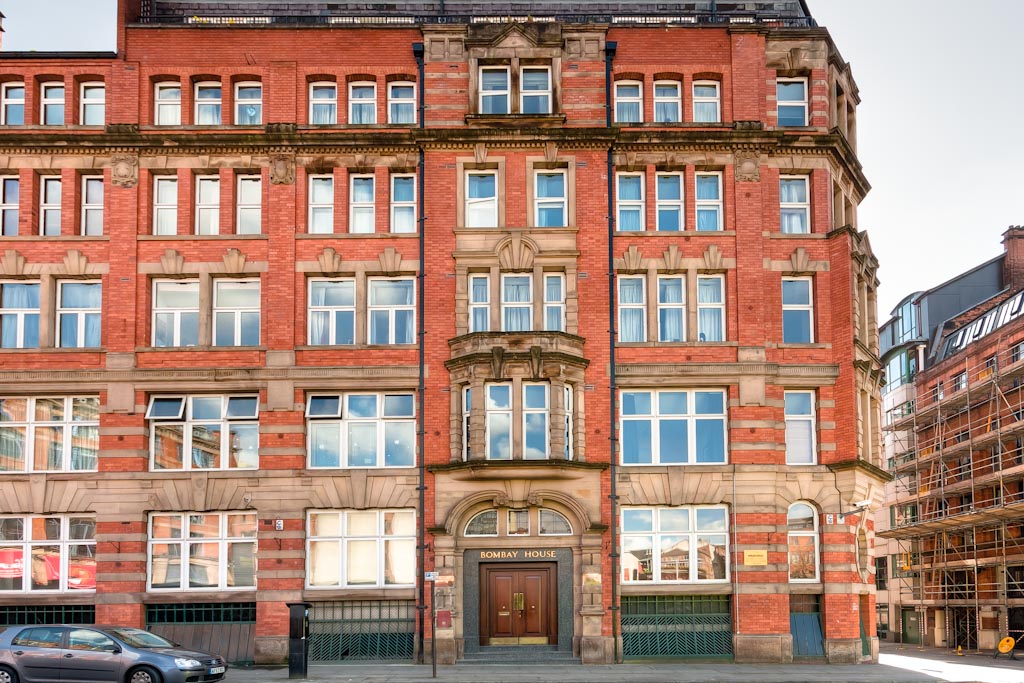
On the one hand, the increase in the number of people of the lower strata of society saw an increase in the formation of slums, a key element in the physical structure of Bombay. Although the slums’ physical form is intensely cramped and its features barely meet the standards required for comfortable living, these kutcha houses contribute a significant amount to the architecture of Bombay. With the increase of the educated upper-middle class coming to settle near the bay, residential and commercial design defaulted to the Art déco Style of Architecture because of the people’s eagerness to incorporate contemporary trends in western culture in their lives. The fusion of Art déco, ‘modernistic’ and traditional elements stayed the norm for facade design in Bombay for many years after independence as well. Maithili Ahluwalia decided to move into her own home six years ago, and found a vintage Art Deco building in South Mumbai; its beautiful old bones and charming patina resonated with her immediately. In its true essence, though, the home became an extension of her ideologies and a new address for her lovingly sourced Bungalow Eight pieces.
ARCHITECTURAL STUDIO

Furthermore, the maintenance of modernist houses can be costly and challenging, especially when it comes to preserving original materials and architectural features. Balancing the need for modern amenities with the preservation of architectural integrity requires careful planning and collaboration between architects, preservationists, and policymakers. Modernist architecture emerged in the early 20th century as a rejection of traditional architectural styles, embracing instead a minimalist aesthetic focused on functionality and simplicity.
This modern home in Mumbai will make you look at tried-and-true neutrals in a new way - Architectural Digest India
This modern home in Mumbai will make you look at tried-and-true neutrals in a new way.
Posted: Wed, 13 Nov 2019 08:00:00 GMT [source]
The Priciest Condo in Fort Lauderdale, an Apartment Overlooking Royal Albert Hall and More
This was also true for India, and at this particular moment it was crucial for decision makers and for the designers to decide on what style and what planning philosophy should they stake. What should the background image of the new Republic of India be, what values should be put through, what goals should be proclaimed? In my presentation, I am going to focus on these decisive years of modern architecture in India and on its major figures. While modernist houses in Bombay continue to captivate enthusiasts, they also face threats from urban development and gentrification. Recognizing the importance of preserving these architectural gems, various stakeholders have initiated efforts to safeguard and promote modernist heritage.
From Some, For All: Pioneers of Print Making in India
The first step was to put tarps all over the roof to ensure no more water or moisture entered the house. The couple plans to use the two years they have to repay their private loan to fix up the house as much as possible and then refinance to get a traditional mortgage. Sent every Tuesday and containing a selection of the most important news highlights.
About Modern Architecture
Interiors are characterized by spacious living areas, minimalist décor, and an abundance of natural light, fostering a seamless connection between the indoors and outdoors. The buildings Aga refers to as the ‘Indian style’ are actually buildings in the ‘Art Deco’ style (Figure 5). Aga here, inadvertently, defines an entirely separate practice of architecture, parallel to that of the imperial projects, but carried out by natives, albeit professionally trained, who referred to themselves as Indian, as opposed to British/ Imperial (Dalvi, 2004, p. 45). The other, a more muted Modernism, was of course, ‘the New Architecture’, seen in residences and offices along the Oval and the Queen’s Necklace at Marine Drive, or the Bombay Improvement Trust areas. The residential buildings of the 30s metamorphosed the urban cityscape of Bombay to a characteristic cosmopolitanism, covering vast areas such as the Matunga, Parel and Dadar estates, and some of the older precincts of south Bombay. Building designs here was restrained and shared many of the qualities of purist Modernism.
This Indian City Has the World's Second Largest Concentration of Art Deco Buildings - Architectural Digest
This Indian City Has the World's Second Largest Concentration of Art Deco Buildings.
Posted: Thu, 22 Jun 2017 07:00:00 GMT [source]
The journey progressed further with the arrival of foreign trained Indian architects. They brought with them ideas of modernism and thinking of Bauhaus rationalism. This movement further got expedited when the political patronage threw its weight behind rationalist thoughts over the Revivalist by inviting international Master of Modern Architecture to design on the Indian soil. Thus, this study is an effort to throw the light on the journey of Indian architecture from Swadeshi movement of 1930's to Rationalist Modern architecture immediately after independence. Born in Mumbai, earlier known as Bombay, and studying in Chicago since 2018 made me connect to both the cities because of their close resemblance to art and architectural cultures.
We’ve scoured the sites and rifled through the realtor listings to find six houses that are truly worth your time. Mumbai Architecture came to be present through the British in the 18th and early 19th centuries. At first it was the neoclassical style of architecture but later, the Victorian Gothic style (also known as Gothic revival) came to dominate the city.
History of Bombay House: British Era Edwardian Building
The space was also opened up throughout, with light materials and colours introduced to emphasise the quality of the spaces. The Indo-Saracenic style developed in the second half of the 19th century, combining Islamic and Hindu architectural styles with its characteristic domes, arches, stained glasses, spires, and minarets. The Gateway of India and Chhatrapati Shivaji Maharaj Vastu Sangrahalaya are good examples of this architectural type in the city. The narrow winding lanes of Khotachiwadi village are home to old Portuguese-style bungalows and a tiny church.
This Architectural Exhibition got 10,000 Visitors at Milan Design Week
The evolution of Bombay from a trading town, transforming into an industrial and manufacturing center, shows us how the British manipulated the city’s abundant resources to their benefit. The Gothic building style was manifested the most by the British architects, for its imposing grandeur, to showcase the power the city held during their time there. The early parts of the 20th century saw the transition from Gothic Architecture to the Renaissance and the Indo- Saracenic styles of architecture, for better adaptability to Indian conditions and culture.
All eyes were on the nation’s newly formed leaders as the country began to settle down. The partition resulted in the influx of millions of people, and they had to be re-settled all over Punjab, in Delhi, in West Bengal. This was achieved by numerous Indian engineers and a handful of architects employed by the government. The 1,700-square-foot, 3BHK apartment which is home to interior designer Sejal and her husband Deepak Parikh, has a fantastic view of Priyadarshini Park, and the Arabian Sea beyond it. “We wanted to use Indian materials and finishes, and incorporate furniture and accessories created by local artisans and brands” explains Sejal's daughter and interior designer Chaitali Parikh-Mehta.
This paper charts these transitions through the voices of the protagonists themselves. The ceiling had survived the ravages of time, but now, because air conditioning ducts had to be accommodated, casts of it were made, the panels removed, replicated, and put back once the ducts were installed. Chandeliers from the Maharaja's private collection were brought in, and now light up the foyer of the balcony on the second floor.
Now home to Hindustan Petroleum, the Petroleum house, built in 1954, marked a milestone for office culture and architecture in the city. The building was commissioned to the American architect Chauncey Riley by Standard Vacuum Oil. The building facade design comprises 1180 vertical louvres and 1347 horizontal louvres, designed after deep research and heat gain calculations. “Our studio ethos lies at bridging the gap between traditional and contemporary by working in a collaborative way with our execution team and craftsmen,” explains Madan. She adds, “Given the client’s roots from Gujarat, the TV unit in the living area was inspired by traditional Kutchi interiors and finished in white stucco”. The arched carpentry details of the unit are a nod to the larger arched portals of the shell.


No comments:
Post a Comment